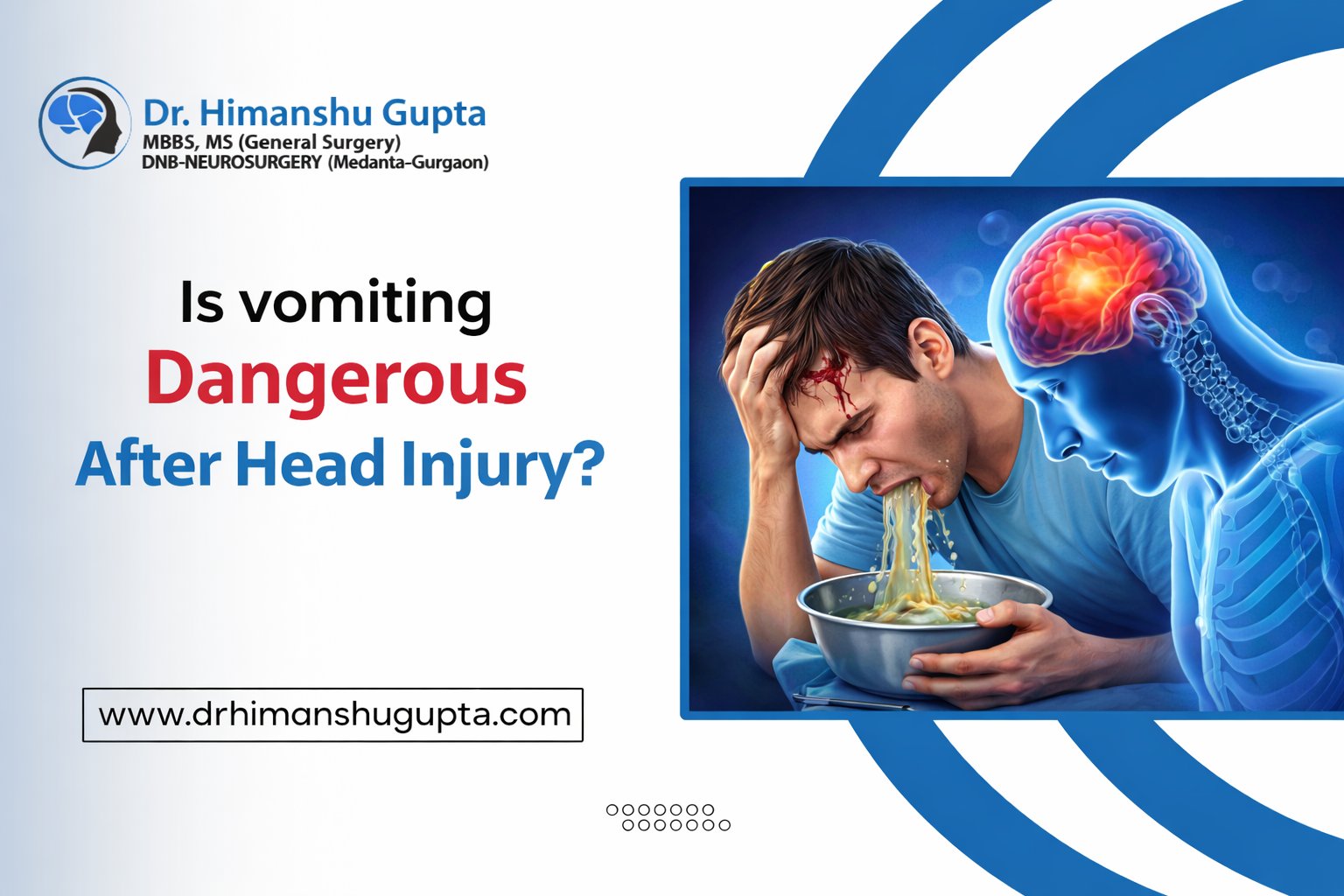
Is Vomiting Dangerous After Head Injury?
Introduction:
Among the most frequent medical emergencies, there are head injuries, both minor bumps and severe traumatic brain injuries. Some symptoms can be mild in the beginning, but there are those that may indicate severe complications. Vomiting after a head injury is one such symptom that can be a cause of concern to patients and caregivers. The question that most people are likely to ask is, "Is vomiting dangerous after head injury?"
Head injury is one of the causes of vomiting, which might be greater than temporary discomfort, and it might be a sign of underlying complications, including concussion, brain swelling, or internal bleeding. It is important to note that this symptom is serious and should be managed by consulting the doctor as soon as possible in order to avoid complications in the long run.
In this blog, we will discuss the reasons as to why people vomit after head injury, warning signs that should be monitored, and how special treatment can help prevent it, including head injury treatment in Jaipur.
Is Vomiting Normal After a Head Injury?
Vomiting after a head injury is not a normal response because it should always be suspected. Though one episode could happen because of shock or mild concussion, it could be a symptom of severe complications of brain swelling, internal bleeding, or elevated intracranial pressure.
One of the most significant warning signs that should be mentioned when evaluating the severity of trauma is vomiting Dangerous After Head Injury as it is often emphasised by doctors. In case of vomiting, this is more worrisome and needs medical attention as soon as possible, in case vomiting is accompanied by dizziness, confusion, headache, or blurred vision.
When Does Vomiting Become Dangerous After a Head Injury?
Vomiting Dangerous After Head Injury is not an incident to be ignored, but it is quite dangerous when it is persistent, recurrent, or has other neurological signs. When vomiting persists, it could be possible that there is increased pressure in the brain, internal bleeding or brain swelling. These complications may easily get out of control and pose life-threatening problems unless immediate treatment is administered.
There are warning signs that include:
- Several episodes of vomiting over a short duration of time.
- Consciousness loss or excessive drowsiness after vomiting.
- Extreme headache or acute pain deterioration.
- Loss of focus, memory loss or speech difficulty.
- Blurred vision or seizures
Specifically, doctors pay attention to the fact that Head injury vomiting symptoms is a red flag, which needs immediate medical attention. Although the injury may appear to be minor, constant vomiting may be a sign of undetectable damage within the skull. Timely medical attention by seeking immediate medical care will mean that the disease is diagnosed and treated promptly, minimising the chances of developing lifelong complications.
Vomiting After Concussion
A concussion is a minor brain trauma, but it must never be overlooked. Vomiting after concussion is one of the typical signs, and that is due to the fact that the normal functions of the brain are temporarily impaired. Although one episode might occur occasionally, frequent vomiting can be a symptom of other, more complicated complications that require immediate medical treatment.
Key points to remember:
- Vomiting may signal brain irritation
- Children and elderly patients are at higher risk
- Rest and medical evaluation are important
If Vomiting after concussion happens more then once, medical care is strongly advised.
Why Vomiting Dangerous After Head Injury Should Not Be Ignored?
Vomiting after a head injury is not just some unpleasant symptom, but a potential symptom of severe complications within the brain. This may be linked to:
- Brain swelling
- Internal bleeding
- Increased intracranial pressure
- Skull fracture
Reach Dr. Himanshu Gupta for Head injury treatment in Jaipur
When vomiting is one of the symptoms that you or a loved one is experiencing after a head injury, it is important to get professional medical attention immediately. In case of special attention, emergency head injury treatment in Jaipur is required; patients can visit Dr. Himanshu Gupta.
He is a qualified neurosurgeon in Jaipur because of his experience in treating concussions, traumatic brain injuries, and complicated neurological disorders. His expertise in neurology makes him a considerable choice among people.
FAQ:
1. What is a concussion?
A concussion is a mild traumatic brain injury that is a result of an abrupt blow or a jolt to the head. It has a short-term impact on the functioning of the brain, and it can cause such symptoms as headache, dizziness, confusion, and vomiting.
2. How to check for a concussion?
Physicians examine concussion through the memory, balance, coordination and neurological responses. Imaging tests such as CT scans or MRIs can also be used in other instances when the symptoms are acute or chronic.
3. Why is there vomiting following head injury?
After head injury, vomiting takes place because of swelling on the brain, increased intracranial pressure, or impairment of the normal brain functions. It is regarded as a warning and should not be overlooked, particularly when the situation occurs on a frequent basis.
4. What doctor to visit in case of head injury?
In head injuries, one should seek advice from a neurosurgeon in Jaipur or a neurologist. Experts such as Dr. Himanshu Gupta offer specialist care and diagnosis of concussions as well as traumatic brain injuries.
5. How to reduce swelling in the head?
In other cases, minor swelling may be treated by rest and cold compresses; however, when swelling is severe following a head injury, it is necessary to seek medical intervention. Physicians can prescribe drugs, or when the pressure is very high, they can suggest surgery.



_1634735781.webp)
_1634735795.webp)